
The Institute of soil and soul
What is regenerative agriculture?
Regenerative agriculture is a way of farming that restores the health of the land while strengthening the health of the community. At Soil & Soul, regenerative agriculture looks like a mixed-production farm designed not just to grow food, but to repair soil, steward ecosystems, and meet real human needs. On our 8-acre farm, we demonstrate how land—when cared for with intention—can become a source of nourishment, education, and connection.
Each year, the food grown at Soil & Soul reaches over 1,500 families—more than 3,500 individuals—showing that regenerative practices are not abstract ideals but practical, scalable solutions. By integrating soil-building methods, diversified crops, and community-centered distribution, we use agriculture as a tool to heal the land and, at the same time, to benefit the people it serves.
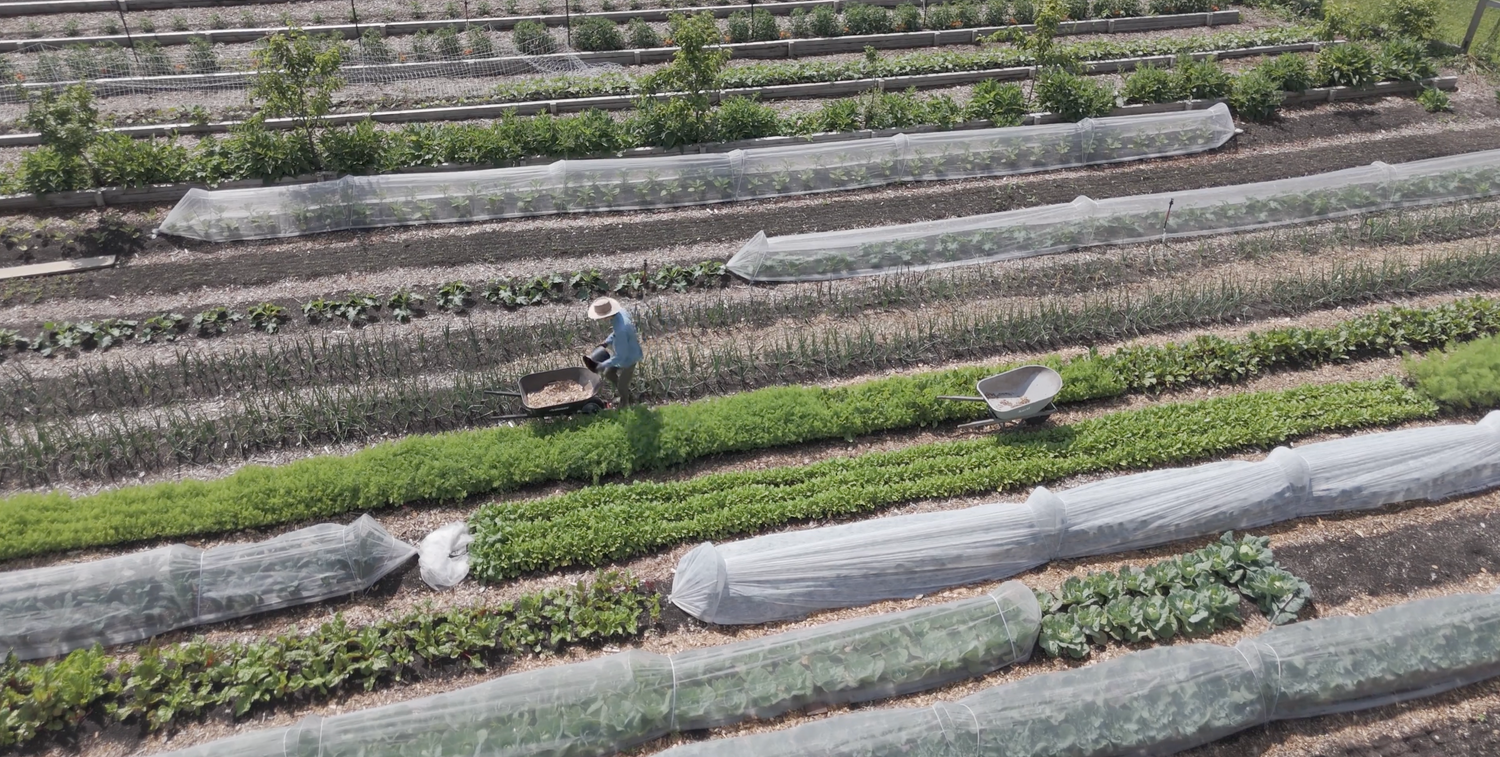
Market Garden
Our market garden spans just under half an acre, producing around 10,000 pounds of vegetables each year across 20 different crops. We use regenerative practices including no-till farming, cover cropping, and composting to maintain healthy, organic living soils that support vibrant plant growth season after season.
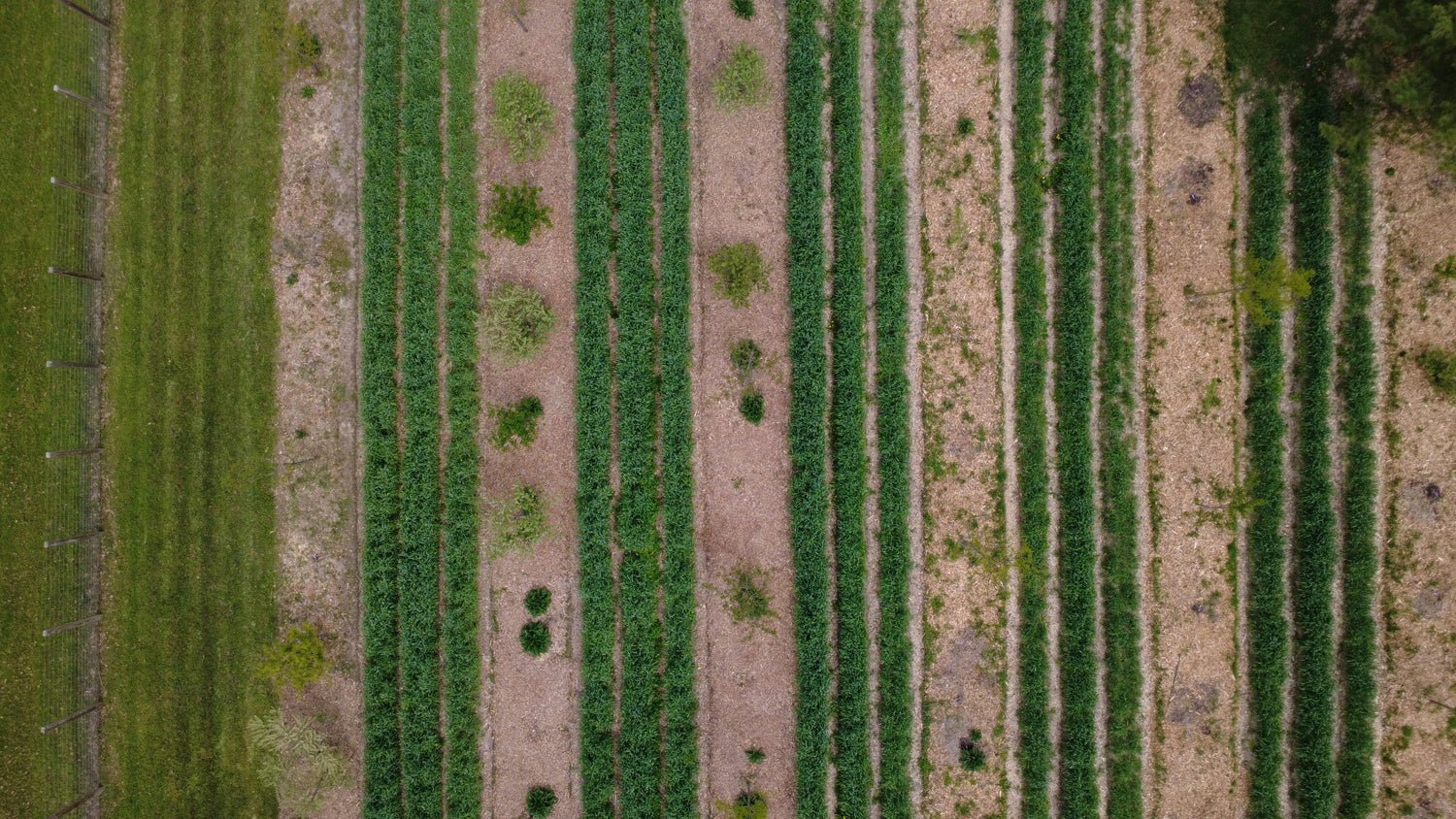
Orchard
Our orchard is a diverse ecosystem of apples, peaches, cherries, pawpaw, persimmon, and honey locust trees. Nitrogen-fixing shrubs naturally enrich the soil, and alley-cropping with seasonal rotation allows us to grow storage crops like winter squash, corn, melons, and potatoes alongside the trees, creating a resilient, productive landscape.
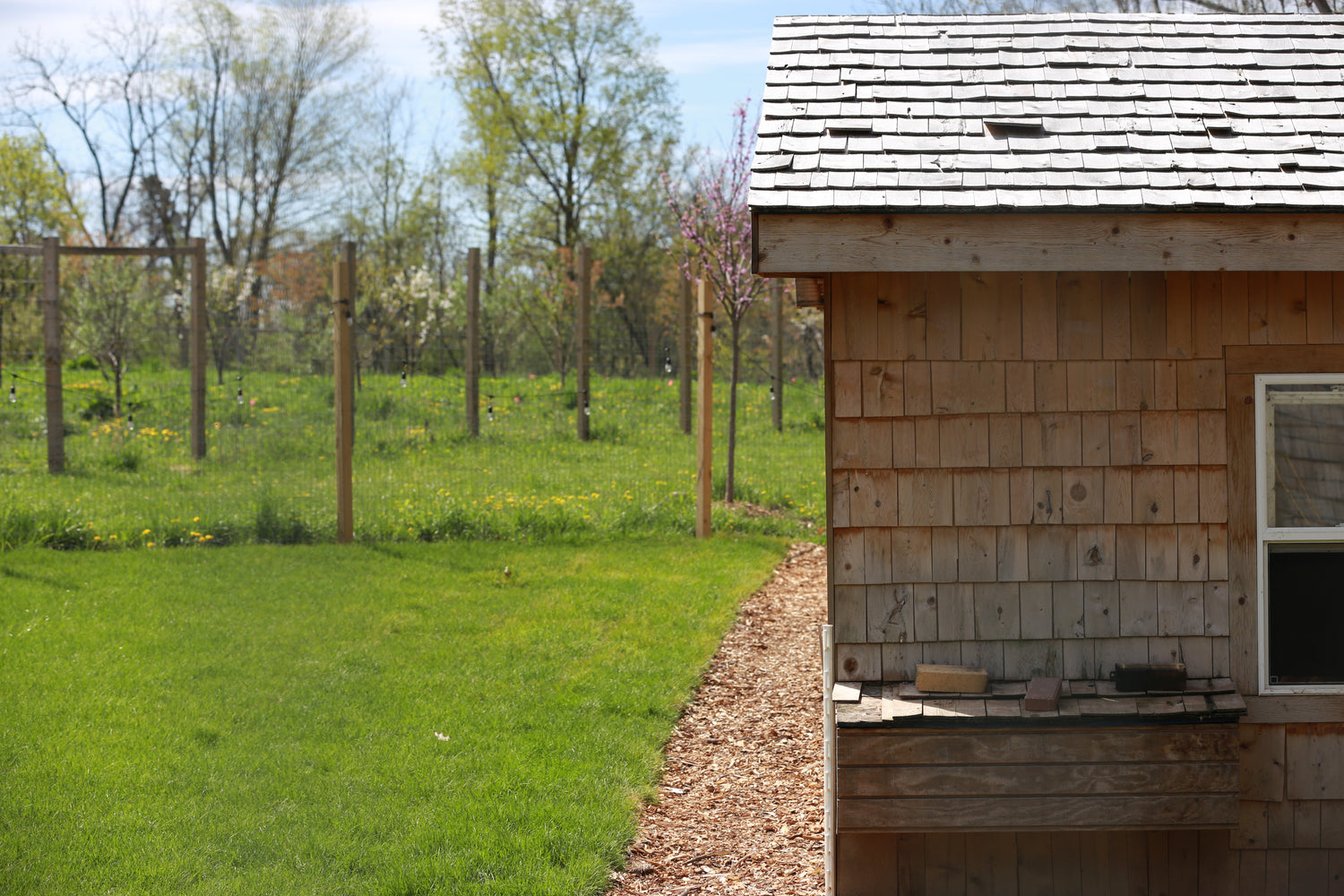
Livestock integration
Our pastured chickens—Welsummers, Orpingtons, and Rhode Island Reds—enjoy year-round access to fresh pasture. We manage the coops using the deep litter method, keeping them clean while producing nutrient-rich compost that feeds our gardens and orchard.
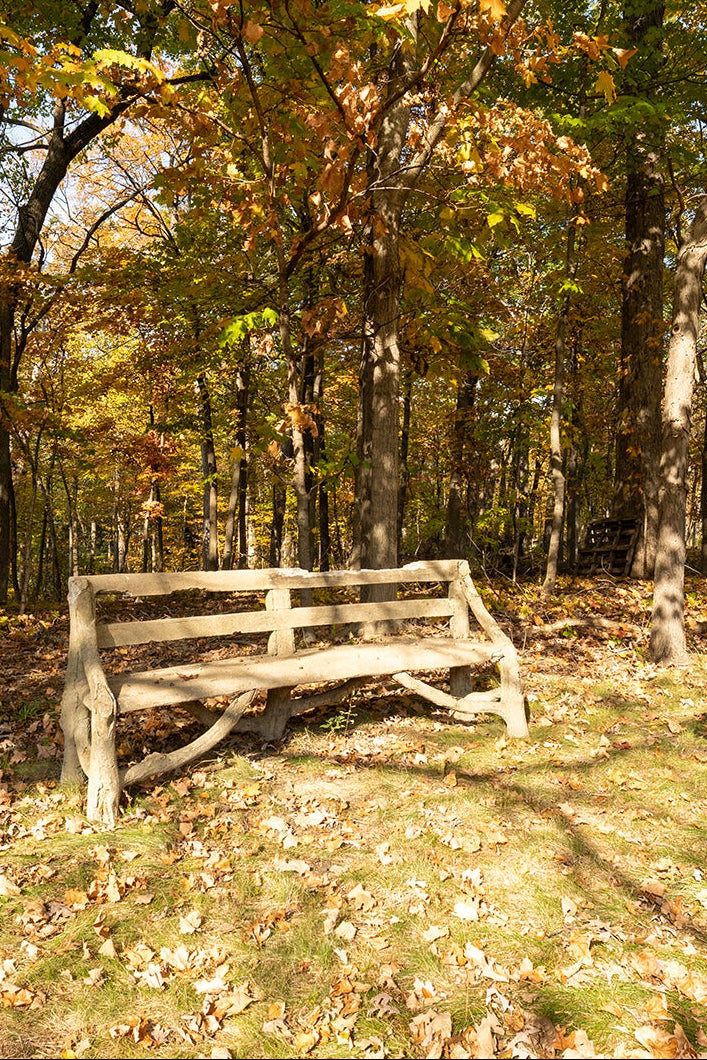
Pollinator, Conservation, and Educational Spaces
In addition to production, we dedicate areas to pollinator strips, woodland conservation, educational gardens, and community learning spaces, to connect visitors to the land and demonstrate sustainable agricultural practices in action.